
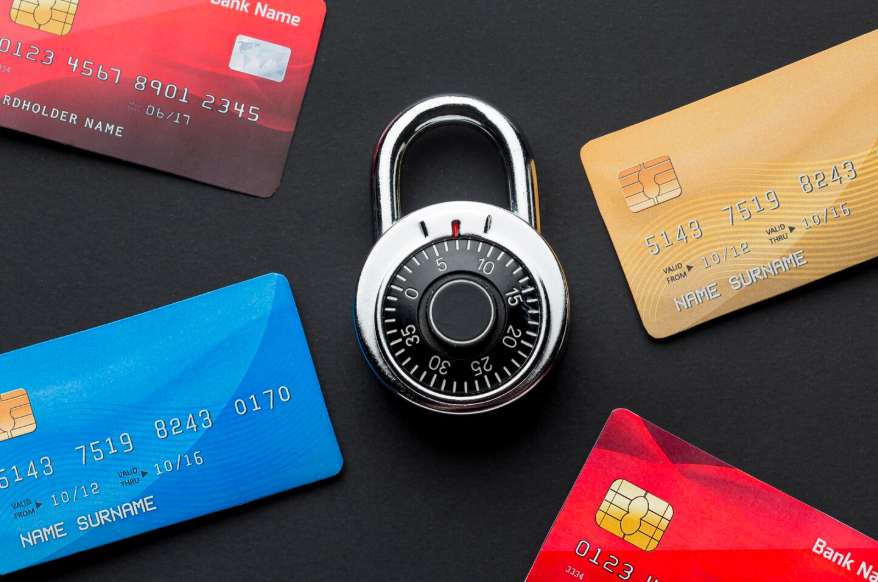
If you are deciding whether to freeze, lock, or monitor your credit, the right choice depends on your borrowing plans and risk level. Each serves a different purpose. Knowing when to use each option allows you to protect your financial identity without creating unnecessary friction.
Protecting your credit is no longer optional. Data breaches, identity theft, and unauthorized account openings have become increasingly common. But protection tools vary. Credit protection is about control—not fear.
What a Credit Freeze Does
A credit freeze prevents lenders from accessing your credit report. Because most creditors require access before approving new credit, a freeze effectively blocks unauthorized account openings.
A freeze is free under federal law and remains in place until you lift it. You can temporarily unfreeze your report when applying for credit.
This option is strongest when you are not actively seeking new credit. If you suspect identity theft or simply want maximum protection, a freeze provides the highest level of control.
Learn Rebuilding Credit After Identity Theft if fraud has already occurred.
What a Credit Lock Does
A credit lock functions similarly to a freeze but is typically offered through a credit bureau’s app or subscription service.
Locks may allow faster activation and removal compared to freezes. However, unlike freezes, locks are governed by contractual agreements rather than federal statute.
For individuals who frequently apply for credit and want flexibility through a mobile interface, a lock may be convenient. The protection level is similar, but terms vary by provider.
What Credit Monitoring Provides
Credit monitoring alerts you to changes on your credit report. This may include new accounts, hard inquiries, balance updates, or public records.
Monitoring does not prevent fraud; it detects it. Alerts let you respond quickly if suspicious activity occurs.
Many banks and credit card issuers provide free monitoring services. Paid versions may offer identity theft insurance or expanded coverage.
Monitoring works best as an early warning system rather than a preventative barrier.
See What to Do If You’re Denied for Credit if fraudulent activity leads to application issues.
When to Freeze Your Credit
A credit freeze makes sense if you do not plan to apply for loans or credit cards soon. It is especially advisable after a confirmed data breach or identity theft incident.
Freezing all three major credit bureau reports ensures consistent protection.
You can temporarily lift the freeze for a specific lender or for a specific time period when needed.
Understand When to Settle vs. Pay in Full before resolving suspicious collection accounts.
When a Lock May Be Sufficient
If you anticipate occasional credit applications and want quick access through an app, a lock may offer flexibility.
However, review terms carefully. Because locks are not regulated the same way as freezes, understand your rights before relying on them exclusively.
In many cases, a freeze combined with periodic unfreezing provides similar convenience at no cost.
Explore Hard vs. Soft Inquiries: What Actually Hurts to understand lender access.
Why Monitoring Complements Protection
Monitoring is valuable even if you freeze your credit. Fraud can still occur on existing accounts.
Alerts help you identify unusual activity quickly, allowing immediate response before damage escalates.
The strongest protection strategy often combines a credit freeze for prevention and monitoring for detection.
Freezing, locking, and monitoring your credit are tools, not reactions.
A freeze prevents unauthorized credit openings. A lock offers similar protection with app-based flexibility. Monitoring alerts you to changes after they occur.
The right choice depends on your current borrowing plans and risk tolerance. If stability and maximum security are priorities, freezing your credit provides a strong defense. If flexibility matters, consider a lock. Always maintain monitoring for visibility.
Credit protection is proactive. When you control access to your financial identity, you reduce risk before it becomes damage.