
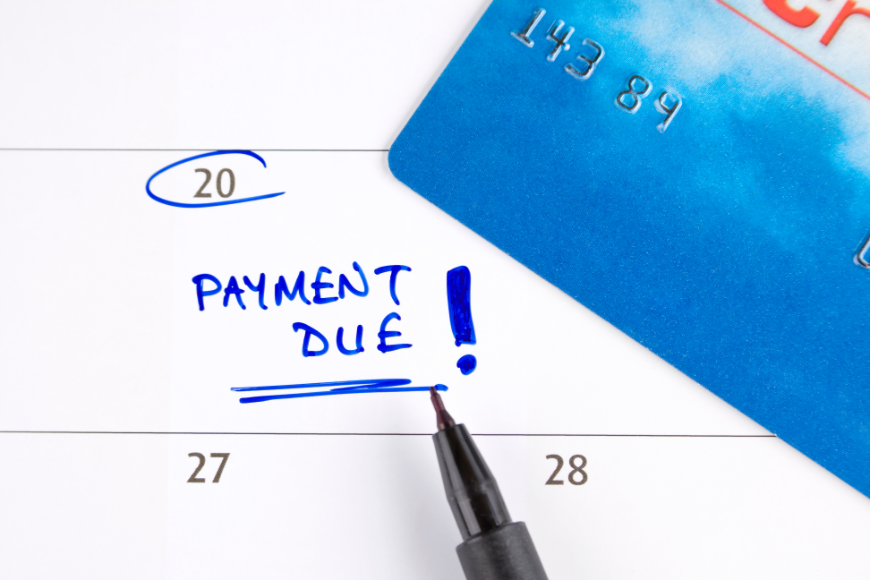
Understanding why payment history matters allows you to focus on the single habit that protects your score most effectively.
When people ask how to improve their credit score, they often focus on credit limits, balances, or new accounts.
But the single most powerful factor influencing your score is payment history. It carries more weight than any other category in most scoring models. One missed payment can undo months of progress, while a steady record of on-time payments builds long-term strength.
Why Payment History Is Weighted So Heavily
Credit scoring models are built to predict risk. From a lender’s perspective, the most important question is simple: will this borrower pay as agreed?
As a result, payment history typically accounts for the largest share of your score. On-time payments demonstrate reliability. Late payments signal uncertainty. The more recent and frequent the delinquencies, the greater the perceived risk.
Even a single 30-day late payment can cause a noticeable score drop, especially if you previously had a clean history. The higher your score, the more points you may temporarily lose for one mistake.
See Understanding How Credit Scores Really Work for full factor breakdown.
The Compounding Effect of Missed Payments
A late payment is not just a one-time event. Its impact compounds in two ways.
First, it remains on your credit report for up to seven years from the date of delinquency. Although its influence fades over time, it can affect lending decisions long after the financial issue is resolved.
Second, multiple missed payments amplify damage. A 60- or 90-day delinquency carries more weight than a single 30-day delay. Repeated late payments across different accounts suggest a broader pattern of instability.
This is why consistency is critical. A single oversight is recoverable. A recurring pattern is much harder to overcome.
Learn How Long Do Negative Marks Stay on Your Credit Report? for reporting timelines.
How Quickly You Can Recover
The good news is that recovery begins immediately once you return to on-time payments. Credit scoring models reward positive momentum.
If you miss one payment but then maintain a flawless payment record for the next 12 months, lenders may view the late mark as an isolated incident rather than a systemic problem. The aging effect reduces the weight of older delinquencies.
For more serious delinquencies, such as accounts sent to collections or charged off, rebuilding still follows the same principle: establish a consistent, reliable pattern going forward.
Review Step-by-Step Plan to Rebuild Credit After Missed Payments for structured recovery.
Preventing Late Payments Strategically
Because payment history carries so much weight, prevention is more powerful than correction.
Automatic payments are one of the simplest safeguards. Even setting up minimum automatic payments can prevent a 30-day late mark. Calendar reminders, budgeting tools, and account alerts add additional layers of protection.
If you anticipate difficulty making a payment, contacting the creditor before the due date may open hardship options. Some lenders offer temporary relief programs that prevent accounts from being reported as late.
Proactive communication is almost always better than silence.
Explore What to Do If You’re Denied for Credit if late payments affect approvals.
Why Small Delays Still Matter
Many people assume that being a few days late has no impact. In most cases, payments are not reported to credit bureaus until they are at least 30 days past due. However, late fees and penalty interest rates can still apply even before reporting occurs.
Once a payment crosses the 30-day threshold and is reported, the damage can be disproportionate to the original oversight. A single missed $50 payment can influence access to thousands of dollars in credit.
This imbalance highlights why attention to due dates matters more than the size of payments.
Payment history is not just another factor in your credit score. It is the backbone. While other categories can shift with strategy and timing, missed payments strike directly at lender confidence.
If you focus on only one habit to protect your credit, make it this: pay every bill on time, every month. Over time, that simple consistency becomes the strongest signal of financial stability you can send.